-
 [email protected]
-
 +86-13706666922
[email protected]
+86-13706666922

The industrial vessels that hold everything from potable water to hazardous chemicals are undergoing significant technological advancement. Storage tanks, important infrastructure across countless industries, have evolved considerably in recent years as safety requirements tighten, environmental regulations become more stringent, and material science delivers new possibilities. The modern storage tank represents a sophisticated engineered system designed to contain valuable or dangerous substances reliably over extended periods while small environmental impact and maintenance requirements.
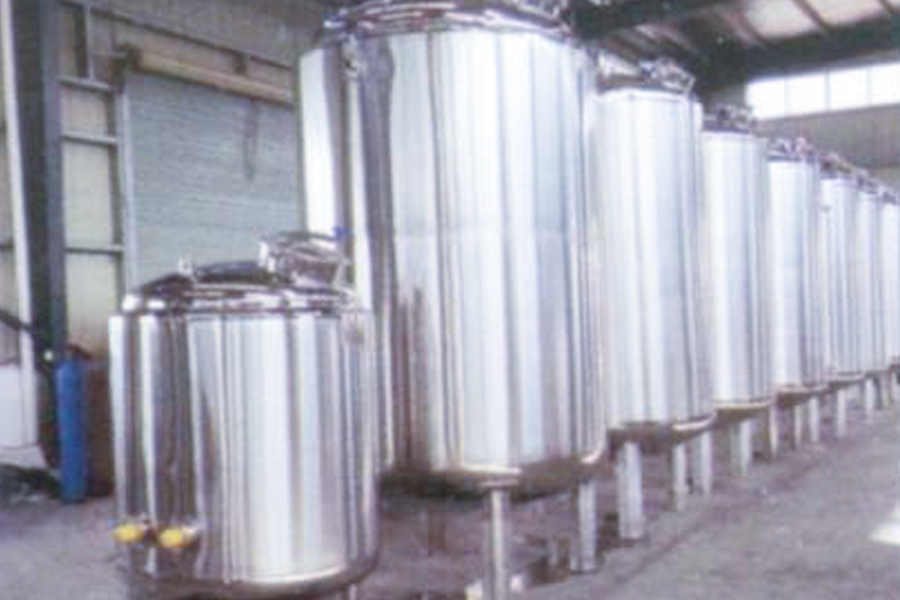
At the foundation of any storage tank is the material from which it is constructed, and this area has seen substantial innovation. Carbon steel remains the workhorse of the industry, offering strength and economy for a vast range of applications. However, specialized coatings and linings now protect these tanks from corrosion far more effectively than previous generations. For more demanding applications, stainless steel grades provide predominant corrosion resistance, while fiberglass reinforced plastic offers lightweight, non-corrosive alternatives for certain chemicals. The selection of materials for storage tanks now involves careful consideration of the substances being contained, environmental conditions, and expected service life.
Corrosion protection represents a critical aspect of modern storage tank design and maintenance. Both internal and external surfaces face threats from the substances contained and the surrounding environment. Advanced coating systems provide robust barriers against corrosion, with multiple layers formulated for specific exposures. Cathodic protection systems actively prevent corrosion by directing electrical currents that counteract the electrochemical processes that degrade metal. These technologies, working in combination, extend the useful life of storage tanks dramatically while reducing the risk of leaks and failures.
Secondary containment has become standard practice for storage tanks holding hazardous or polluting substances. Dikes, berms, and double-walled constructions ensure that any leak from the primary vessel is captured and prevented from reaching soil or water. Monitoring systems placed between walls in double-walled tanks can detect leaks at the earliest possible moment, allowing intervention before significant product loss occurs. This layered approach to containment reflects the high priority placed on environmental protection in modern storage tank installations.
The foundations supporting storage tanks receive careful engineering attention, particularly for large installations. Settlement over time can stress tank structures and connections, potentially pilot to failures. Geotechnical investigations assess soil conditions, while foundation designs distribute loads appropriately. For tanks storing liquids at elevated temperatures, foundations must accommodate thermal expansion and contraction. These considerations ensure that storage tanks remain stable and secure throughout their operational lives.
Instrumentation and monitoring systems have transformed storage tank operations. Level measurement technologies, ranging from simple float gauges to sophisticated radar systems, provide accurate inventory data continuously. Temperature monitoring ensures that contents remain within safe and specification ranges. Pressure sensors on pressurized tanks alert operators to deviations that could indicate problems. These measurements feed into control systems that manage filling, emptying, and maintaining tank conditions, often with small human intervention.
As industries continue to evolve and environmental expectations rise, storage tanks will remain important infrastructure. The advances in materials, monitoring, and safety systems seen in recent years position modern storage tanks to meet these challenges, providing reliable containment for the substances that industry and society require.







 English
 عربى
عربى
