-
 [email protected]
-
 +86-13706666922
[email protected]
+86-13706666922

Red wine production involves careful steps where grapes turn into a rich beverage. At the heart of this process sits the red wine fermentation tank, a vessel that holds the mixture of juice, skins, and seeds during key stages. These tanks allow winemakers to manage the interaction between liquid and solids, which influences color, tannins, and overall character.
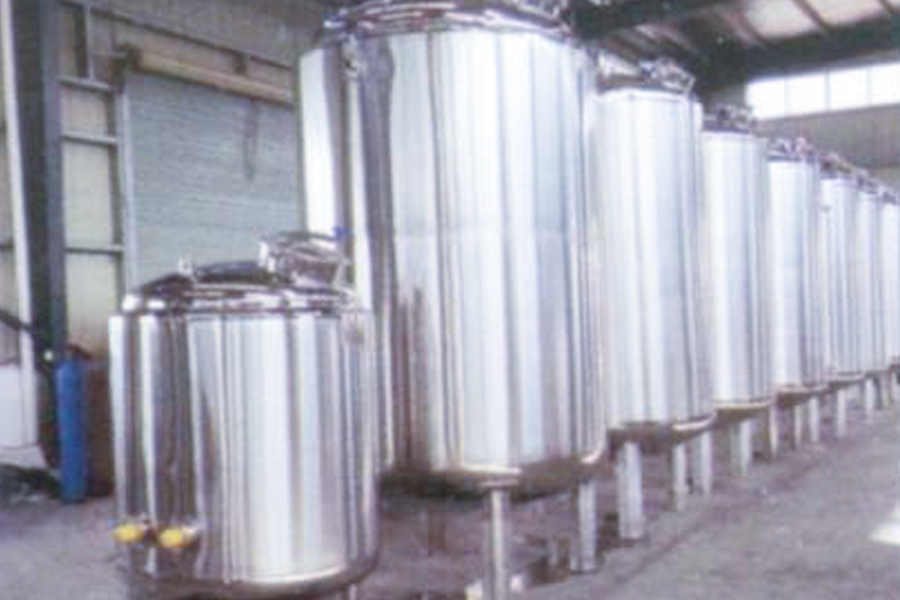
Winemakers have used various containers over time, but modern options bring reliability to daily operations. Stainless steel versions stand out for their durability and ease of use in many cellars. They support temperature management through jackets that circulate cooling or warming fluids, helping keep conditions steady around 25 to 30 degrees Celsius during active periods.
After harvest, grapes go through destemming and crushing before entering the tank. In red wine making, the skins stay in contact with the juice to pull out pigments and compounds that give depth. This skin contact sets red wines apart from white varieties, where separation happens early.
Open-top designs provide access for manual or mechanical punch-downs, where the floating cap of skins gets pushed back into the liquid. Closed or variable capacity tanks offer flexibility too, with lids that adjust to the volume. Some models include built-in screens or sloping bottoms to separate solids after fermentation ends.
This setup supports the extraction process while reducing manual effort in larger setups.
Several designs suit red wine needs. Stainless steel tanks come in cylindrical shapes with options for fixed or variable capacity. Fixed ones work well for both fermentation and later storage, while variable versions adapt to changing volumes with floating lids.
Concrete tanks appear in some traditional settings, offering natural insulation that moderates temperature changes. Wood vessels add subtle influences through material interaction, though they require more attention to hygiene. Plastic options serve smaller batches effectively for home or boutique producers due to their lightweight nature and affordability.
Pump-over systems circulate juice from the bottom back over the cap, promoting even extraction without constant physical intervention. These features make tanks versatile across different scales of production.
| Feature | Stainless Steel | Concrete | Wood |
| Temperature Control | High (with jackets) | Moderate (natural) | Variable |
| Ease of Cleaning | Straightforward | More involved | Requires care |
| Skin Contact Management | Good access in open styles | Suitable for traditional methods | Allows interaction |
| Durability | Strong | Solid but porous | Needs monitoring |
This comparison highlights how each material fits into routines in different ways.
Fermentation typically lasts one to three weeks, depending on the grapes and goals. Yeast converts sugars into alcohol and carbon dioxide, creating a lively environment. Regular monitoring of sugar levels, temperature, and acidity guides adjustments.
Punch-downs or pump-overs happen multiple times a day in the early phases to keep the cap wet and extraction consistent. As activity slows, the process moves toward pressing the solids away from the new wine. Sloped bottoms and bottom valves make this separation smoother, reducing waste and improving flow.
Winemakers sample regularly through ports to track progress. The ability to control oxygen exposure matters here, as too much can shift flavors while measured amounts support healthy yeast activity.
Red wine fermentation tanks help maintain steady conditions across batches. Their construction supports sanitation, which keeps unwanted influences at bay. Many include racking valves positioned to draw clearer liquid while leaving sediment behind.
In practice, these vessels allow producers to handle larger or smaller lots without major changes in approach. Home winemakers might use compact plastic or small stainless units, while commercial operations rely on bigger stainless or specialized setups for volume. The shared goal remains supporting natural processes with practical tools.








 English
 عربى
عربى
