-
 [email protected]
-
 +86-13706666922
[email protected]
+86-13706666922

In the fields of chemical synthesis, pharmaceutical production, food processing, and polymer manufacturing, controlled mixing, heating, and chemical transformation are essential operations. These processes are frequently conducted within a specialized piece of equipment: the reaction kettle. This pressurized or vacuum-rated vessel is engineered to provide a contained, controllable environment for carrying out a wide range of reactions, from simple blending and heating to complex multi-stage syntheses. The design, material, and functionality of the reaction kettle directly influence the safety, yield, and quality of countless manufactured products.
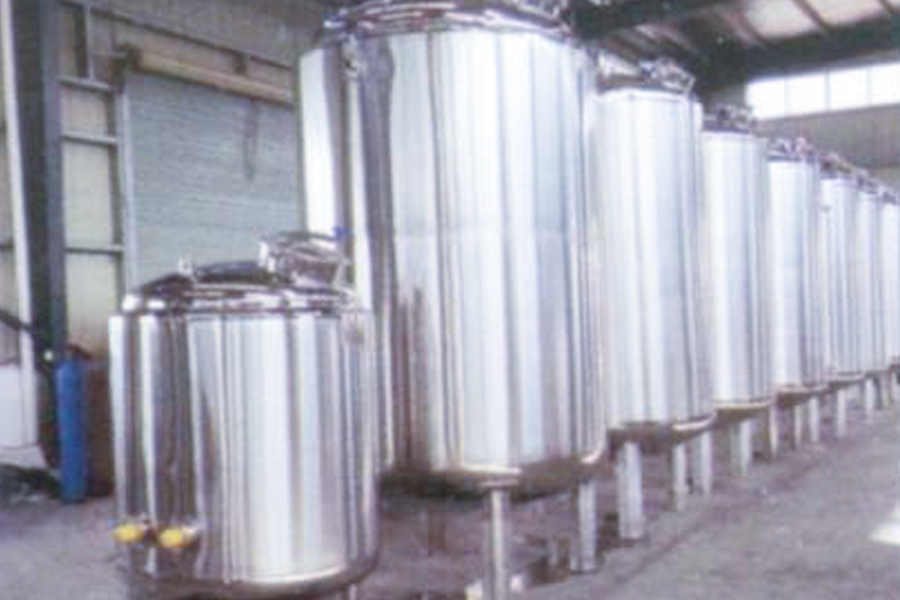
A typical reaction kettle is a cylindrical vessel, often with a hemispherical or dished bottom and top, constructed from materials compatible with the process requirements. Common construction materials include various grades of stainless steel, glass-lined steel, or specialized alloys resistant to corrosion. The reaction kettle is equipped with a sealed lid that accommodates several ports and attachments. Standard features include an agitator or stirrer for mixing contents, a jacket or internal coil for heating or cooling, ports for adding ingredients or inserting sensors, and a manhole for inspection and cleaning. The entire assembly is designed to maintain specific temperature and pressure conditions throughout the reaction cycle.
The applications for reaction kettles are foundational across process industries. In the chemical industry, they are used for producing resins, dyes, adhesives, and specialty chemicals. Pharmaceutical manufacturers rely on reaction kettles for critical steps in drug synthesis, where precise control over temperature, mixing, and addition rates is paramount. In food and beverage production, reaction kettles (often called cooking or mixing kettles) are used for processes like candy making, sauce preparation, and batch fermentation. The versatility of the reaction kettle allows it to handle everything from highly corrosive materials to sterile, food-grade products.
The operational control afforded by a modern reaction kettle is a key advantage. Through the jacket, operators can precisely raise or lower the temperature of the vessel contents using steam, thermal oil, or cooling water. The agitation system ensures homogeneity, promotes heat transfer, and can be critical for reaction kinetics. Many reaction kettles are integrated into automated process control systems, allowing for programmed recipe execution, real-time monitoring of parameters like temperature and pressure, and data logging for quality assurance and regulatory compliance. This level of control is essential for achieving consistent, reproducible results batch after batch.
Safety is an inherent design priority for any reaction kettle. Vessels are constructed to rated pressure standards and include safety relief valves or rupture discs to prevent over-pressurization. For processes involving volatile or hazardous materials, reaction kettles may be installed within containment areas or equipped with specialized venting systems. The choice of material, such as glass-lined steel for bad corrosion resistance, also contributes to operational safety and product purity by preventing contamination from the vessel walls.
Innovation in reaction kettle technology is focused on enhancing efficiency and flexibility. This includes designs that improve heat transfer rates, agitation systems that handle higher viscosities more effectively, and the use of advanced sensors for in-line analysis of reaction progress. There is also a trend toward modular and multi-purpose reaction kettles that can be quickly reconfigured for different production campaigns. As industries strive for more sustainable and intensifiied processes, the reaction kettle will continue to evolve, remaining the indispensable workhorse vessel where raw materials are transformed into valuable products through carefully managed chemical and physical change.








 English
 عربى
عربى
