-
 [email protected]
-
 +86-13706666922
[email protected]
+86-13706666922

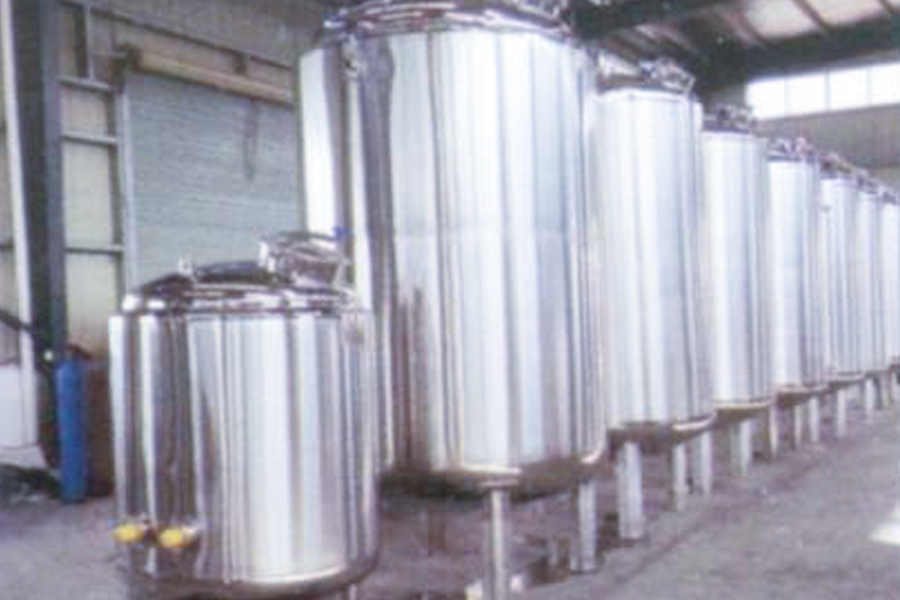
A Liquid Preparation Tank typically features a cylindrical vessel made from stainless steel or other durable materials. The interior surface stays smooth to reduce residue buildup. An agitator sits inside, often mounted on a top or side entry shaft. Motors drive the agitator at controlled speeds so operators can adjust shear levels according to the fluid. Ports allow materials to enter and leave the tank. Sensors for temperature and level help staff monitor conditions in real time.
Many units include jackets around the outer wall. These jackets circulate water or other media to raise or lower the temperature of the contents. Sight glasses and manways give visual access and permit cleaning between batches. The overall size varies. Smaller tanks suit laboratory or pilot runs, while larger ones serve continuous or high-volume lines.
Operators load raw materials into the vessel through dedicated inlets. Once the ingredients sit inside, the agitator starts turning. Blades or propellers create flow patterns that pull solids into the liquid or blend multiple fluids together. Heat transfer occurs if the process requires it. The jacket supplies or removes energy until the batch reaches the target temperature.
Mixing time depends on viscosity and desired uniformity. Staff sample the contents at intervals and check appearance, density, or concentration. When the mixture meets specifications, a bottom outlet or transfer pump moves the prepared liquid to the next station. The Liquid Preparation Tank then receives a rinse or full clean before the following batch begins.
Food plants use the equipment to dissolve sugars, salts, or flavor compounds into water or other bases. Beverage lines prepare syrups and concentrates this way. In pharmaceutical production, the tank helps create solutions for oral liquids or intermediate stages of active ingredients. Chemical facilities blend reactants or formulate intermediate products. Cosmetic makers rely on it for lotions, creams, and similar preparations that need even distribution of oils and water phases.
Each industry values the ability to scale batch size while keeping results repeatable. The same tank design can handle low-viscosity water solutions one day and thicker suspensions the next, provided the agitator and motor match the load.
The Liquid Preparation Tank brings several practical benefits to a production floor. First, it centralizes the mixing step. Instead of stirring materials in open containers by hand, workers load ingredients once and let the machine complete the process. This reduces variation between batches. Second, temperature control becomes more precise. Jackets deliver steady heat or cooling without hot spots that can damage sensitive components.
Third, closed systems limit exposure of materials to the surrounding air. Dust, moisture, or unintended contaminants stay outside the vessel. Fourth, the equipment supports different mixing intensities. Low-speed operation gently suspends solids, while higher speeds create more vigorous flow for faster dissolution. Operators select the setting that matches the recipe.
Cleaning between products stays straightforward when the tank includes spray balls or polished interiors. Residual material drains easily, and sanitation cycles finish in reasonable time. These features help maintain steady throughput without long downtime.
Choosing the right Liquid Preparation Tank starts with volume needs. A facility that runs large daily batches looks for greater capacity, while a development lab prefers smaller units. Material of construction matters. Stainless steel grades resist corrosion from acids or chlorides. Surface finish affects cleanability. Agitator type and power rating must match the expected viscosity range.
Additional options include load cells for accurate ingredient weighing, automated valves for sequenced filling, and data logging that records temperature and speed profiles. Some plants connect the tank to upstream and downstream equipment so materials flow with minimal manual transfer. Layout of the production area also plays a role. Floor space, ceiling height, and access for maintenance influence the final footprint.







 English
 عربى
عربى
