-
 [email protected]
-
 +86-13706666922
[email protected]
+86-13706666922

The fermentation tank has become an essential vessel for beverage and food manufacturers producing beer, wine, cider, yogurt, and probiotic products. Unlike simple storage containers, a fermentation tank maintains temperature control and pressure management during the conversion of sugars into alcohol or organic acids. Brewery and winery operators have invested in fermentation tank systems to scale production from homebrew to commercial volumes. The controlled environment inside a fermentation tank allows consistent product quality across multiple batches. Equipment suppliers continue to manufacture fermentation tank units in various sizes and material grades.
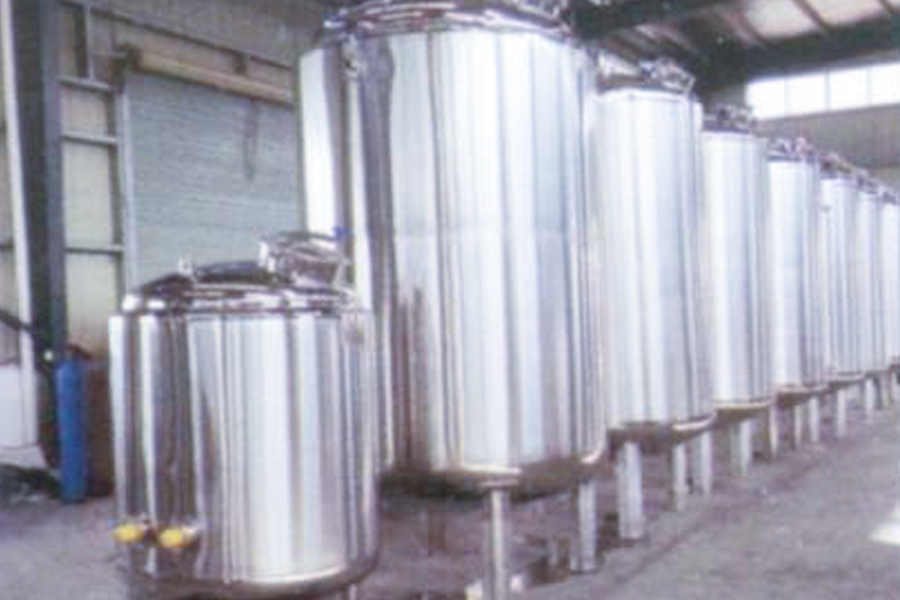
Material selection for a fermentation tank directly affects product quality and cleaning procedures. A stainless steel fermentation tank resists corrosion and does not react with acidic or alcoholic contents. A 304 grade stainless steel fermentation tank suits beer, wine, and cider production with regular cleaning cycles. A 316 grade stainless steel fermentation tank offers higher corrosion resistance for aggressive fermentation processes. A jacketed fermentation tank allows heating or cooling fluid circulation around the vessel walls. A glass-lined fermentation tank provides an inert surface for pharmaceutical or sensitive probiotic applications.
Temperature control represents a critical function of any fermentation tank used for beverage production. A cooling jacket around the fermentation tank circulates chilled water or glycol to remove heat generated by active fermentation. A temperature probe inserted into the fermentation tank sends readings to a controller for automated adjustments. A fermentation tank without active cooling relies on ambient room temperature, suitable for ales or wines. A heated fermentation tank accommodates lager fermentations that require higher temperatures after initial cooling. The temperature uniformity inside a fermentation tank affects the consistency of the final product.
Capacity options for a fermentation tank range from small pilot units to large production vessels. A homebrew-scale fermentation tank holds 5 to 15 gallons for hobbyist beer making. A pilot fermentation tank of 50 to 200 gallons suits recipe development and small commercial batches. A production fermentation tank with 500 to 2,000 gallon capacity serves regional breweries and wineries. A large industrial fermentation tank exceeding 10,000 gallons supports mass beverage production facilities. The tank diameter and height ratio of a fermentation tank affects heat transfer and mixing efficiency.
Pressure rating of a fermentation tank determines what fermentation styles the vessel can accommodate. An open-top fermentation tank operates at atmospheric pressure for traditional ale fermentation. A closed fermentation tank with a pressure relief valve allows 10 to 15 psi for lager production. A pressurized fermentation tank rated for 30 psi or more enables carbonation capture during fermentation. A unitank design combines fermentation tank and bright beer tank functions in a single pressure-rated vessel. The pressure relief system on a fermentation tank must prevent over-pressurization during active fermentation.
Cleaning procedures for a fermentation tank require thorough sanitation between batches. A clean-in-place system circulates cleaning solutions through the fermentation tank without manual scrubbing. A spray ball installed inside the fermentation tank distributes cleaning liquid against all interior surfaces. A fermentation tank with polished interior welds resists bacterial accumulation in crevices. Manual cleaning of a small fermentation tank involves scrubbing with approved sanitizers and thorough rinsing. A fermentation tank used for sour beer or mixed cultures requires dedicated vessels to avoid cross-contamination.
The fermentation tank will likely continue as a core vessel for beverage and biotech production. Advances in sensor technology may add real-time gravity monitoring to fermentation tank systems. For brewers and food producers seeking consistent fermentation results, the fermentation tank offers a proven vessel design.








 English
 عربى
عربى
