-
 [email protected]
-
 +86-13706666922
[email protected]
+86-13706666922

Across the biotechnology, pharmaceutical, food, and beverage industries, the controlled cultivation of microorganisms and cells is a cornerstone of production. This biological transformation occurs within a specialized type of vessel: the fermentation tank, also commonly known as a fermenter or bioreactor. These tanks provide a precisely controlled environment for microbes like bacteria and yeast, or for mammalian and plant cells, to grow, metabolize, and produce desired compounds. The design and operation of fermentation tanks are critical to the yield, purity, and scalability of products ranging from life-saving antibiotics and vaccines to beer, yogurt, and biofuels.
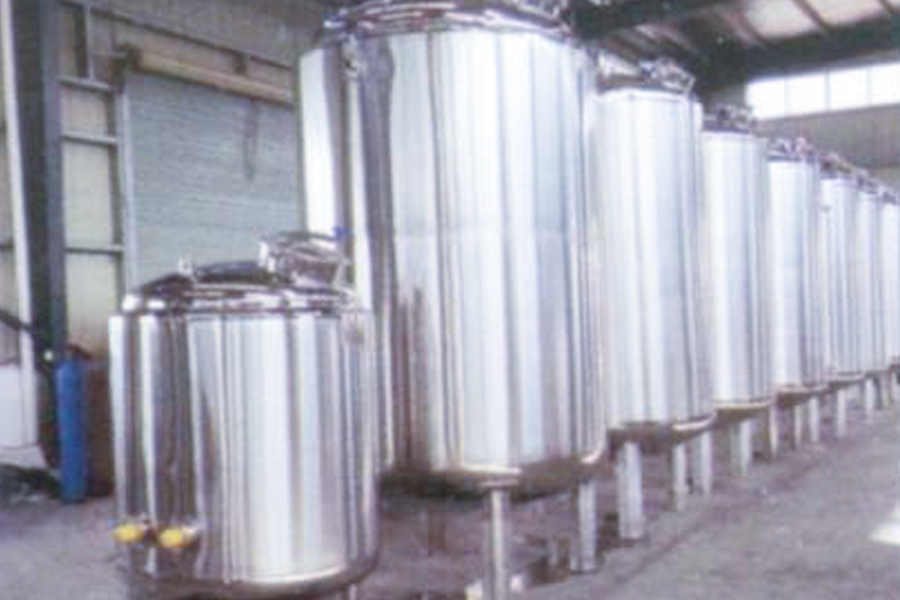
A standard fermentation tank is a sterile, closed vessel designed to maintain ideal conditions for biological activity. Key features include a robust tank body, often constructed from stainless steel for cleanliness and durability, with ports for adding nutrients, inoculating with culture, and harvesting product. Agitation systems, such as impellers, ensure the culture medium and gases are uniformly mixed. Aeration systems supply oxygen, which is vital for aerobic fermentation processes. Additionally, fermentation tanks are equipped with comprehensive sensor arrays and control systems to continuously monitor and adjust critical parameters including temperature, pH, dissolved oxygen levels, and pressure throughout the growth cycle.
The applications for fermentation tanks are diverse and expanding. In the pharmaceutical sector, they are used for the large-scale production of therapeutic proteins, vaccines, and antibiotics through microbial or cell culture. The industrial biotechnology field utilizes fermentation tanks to manufacture enzymes, organic acids, and bio-based chemicals. In food production, fermentation tanks are the heart of operations for brewing beer, fermenting wine, producing dairy products like cheese and yogurt, and creating fermented sauces. Regardless of the end product, the core function of the fermentation tank remains the same: to support and optimize the biological process at the required scale.
The scale of fermentation tanks varies dramatically based on application. Laboratory-scale fermentation tanks, with volumes of a few liters, are used for research, process development, and strain screening. Pilot-scale fermentation tanks bridge the gap between research and full production. At the commercial level, production-scale fermentation tanks can hold tens of thousands of liters, representing a significant capital investment and engineering feat. The principles of control and monitoring remain consistent across scales, a concept known as scale-up, which is a critical discipline in bioprocessing to ensure a successful transition from small to large fermentation tanks.
Process control and sterility are non-negotiable in fermentation tank operation. Even minor contamination by unwanted microorganisms can ruin an entire batch, pilot to substantial financial loss. Therefore, fermentation tanks are designed for clean-in-place and sterilize-in-place procedures, and all transfers of materials occur through sealed, sterile connections. The data gathered from sensors allows for fine-tuning of the process, big the productivity of the culture and ensuring consistent product quality batch after batch.
Innovation in fermentation tank technology is focused on intensification and smart operation. This includes the development of single-use fermentation tanks for flexible and contamination-free batch production, advanced sensor technology for real-time metabolic analysis, and the integration of automation and artificial intelligence to optimize processes dynamically. As the bioeconomy grows and demand for sustainably produced biologics, food ingredients, and chemicals increases, the fermentation tank will remain the fundamental unit operation. Its continued evolution toward greater efficiency, control, and flexibility will be instrumental in unlocking the full potential of industrial biotechnology and meeting the world's needs through biological manufacturing.








 English
 عربى
عربى
