-
 [email protected]
-
 +86-13706666922
[email protected]
+86-13706666922

The production of a vast array of products through biological activity, from beer and wine to antibiotics, biofuels, and food ingredients, relies on a controlled environment where microorganisms like yeast, bacteria, or fungi can thrive and convert substrates. The specialized equipment that provides this environment is the Fermentation Tank. These vessels are designed to maintain ideal conditions for microbial growth and metabolic activity over a defined period. As the central unit in fermentation processes, the design, scalability, and control of Fermentation Tanks are critical to determining the yield, quality, and consistency of the final product across the beverage, pharmaceutical, and industrial biotechnology sectors.
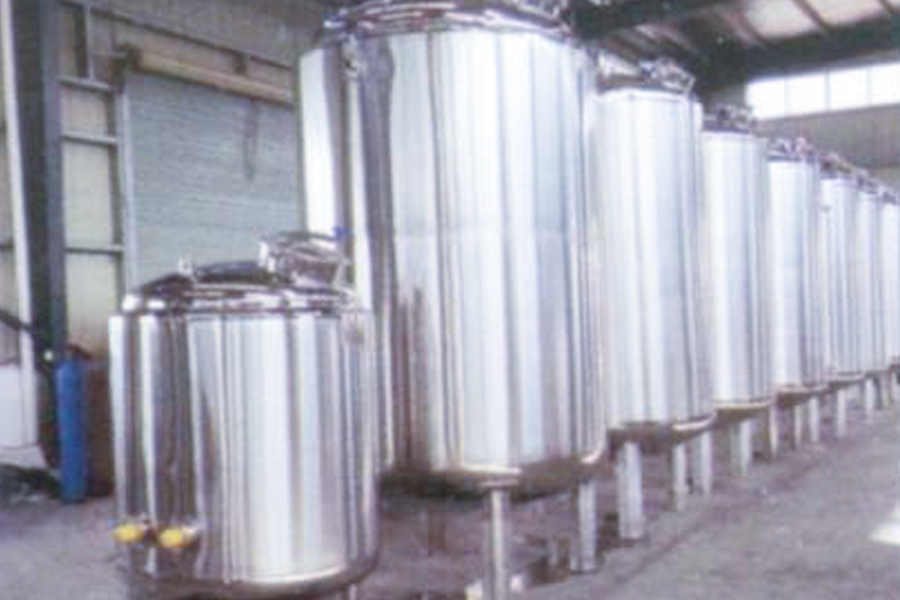
The primary purpose of a Fermentation Tank is to contain and manage a bioprocess. These tanks are typically cylindrical vessels, often constructed from stainless steel for its durability, cleanability, and resistance to corrosion. They are designed to be sealed to prevent contamination from unwanted microorganisms, which is paramount in both food and pharmaceutical applications. Key features of a Fermentation Tank include systems for temperature control (via cooling jackets or internal coils), agitation (using mechanical impellers or airlift systems for oxygen transfer in aerobic processes), and ports for the addition of nutrients, acids, bases, or antifoam agents. For aerobic fermentations, a sparging system introduces sterile air or oxygen into the culture broth. The design must also accommodate the harvesting of the final product, whether it is the liquid broth itself, the microbial cells, or the metabolites they have produced.
The application of Fermentation Tank technology is diverse. In the beverage industry, Fermentation Tanks are the heart of breweries and wineries, where yeast converts sugars into alcohol and carbon dioxide, creating beer, wine, and spirits. In dairy production, they are used for culturing yogurt, kefir, and cheese. On an industrial scale, Fermentation Tanks are fundamental to biotechnology, enabling the large-scale production of life-saving antibiotics, vaccines, enzymes, amino acids (like lysine), and biofuels such as ethanol and biogas. The scale can range from small pilot Fermentation Tanks used for process development to massive production vessels holding hundreds of thousands of liters.
Process control within a Fermentation Tank is a complex science essential for successful outcomes. Parameters such as temperature, pH, dissolved oxygen (for aerobic processes), agitation speed, and nutrient levels must be monitored and adjusted in real-time. Even slight deviations can stress the microorganisms, reduce yield, or alter product quality. Modern Fermentation Tanks are integrated with sophisticated sensor arrays and automated control systems that manage these variables. Sterility is another non-negotiable aspect; the Fermentation Tank and all associated piping must be sterilizable, usually with steam-in-place (SIP) systems, before inoculation with the pure culture to prevent a failed batch due to contamination.
Ongoing developments in Fermentation Tank design are driven by demands for higher efficiency, greater flexibility, and improved process understanding. Trends include the use of single-use or disposable Fermentation Tank systems made from sterile plastic bags within stainless steel housings, which eliminate cleaning validation and reduce cross-contamination risks, particularly in multi-product facilities. As the bioeconomy expands and the range of products made via fermentation grows—including alternative proteins and novel biomaterials—the role of the Fermentation Tank as the essential bioreactor will only become more prominent. Its continuous evolution ensures that biological processes can be scaled reliably from the laboratory to meet global demand.









 English
 عربى
عربى
