-
 [email protected]
-
 +86-13706666922
[email protected]
+86-13706666922

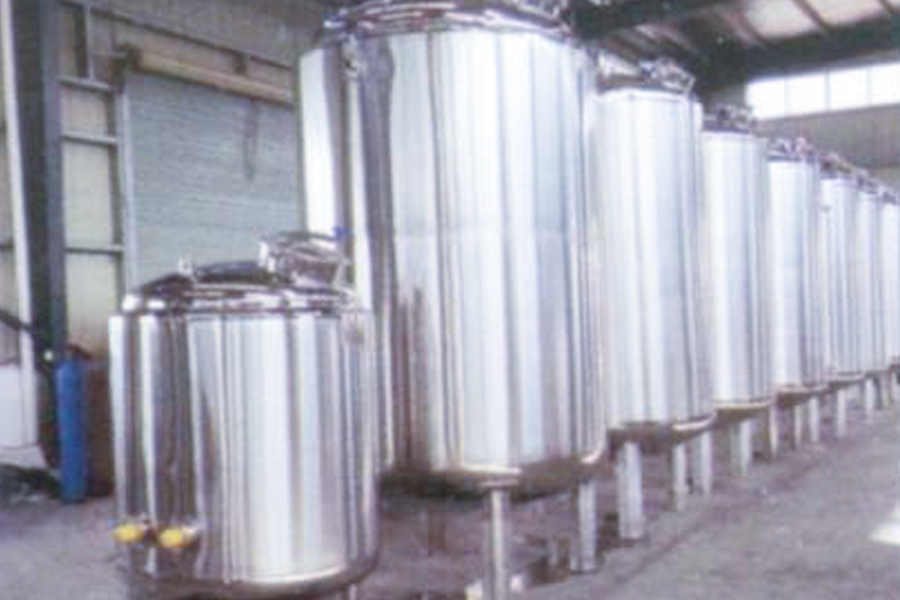
Extraction tanks are essential vessels used in industries ranging from food processing to pharmaceutical manufacturing, where solvents or water are used to separate desired compounds from raw materials. From coffee processing to herbal supplement production, extraction tanks provide a controlled environment for efficiently removing flavors, oils, or active ingredients from solid or liquid feedstocks.
The basic operation of an extraction tank involves mixing the raw material with a solvent that dissolves the target compounds. The tank is typically jacketed for temperature control, as many extractions require heating to improve efficiency. An agitator inside the tank keeps the mixture moving, ensuring that the solvent contacts all surfaces of the raw material. After a set period, the solvent containing the dissolved compounds, called the miscella, is drained or pumped out, leaving behind the extracted solids.
The design of an extraction tank depends on the specific process. Batch extraction tanks are filled, allowed to process for a set time, then emptied. This design suits smaller operations or processes where the extraction time varies by batch. Continuous extraction tanks have material flowing in and out constantly, with fresh solvent entering as spent material exits. Continuous designs offer higher throughput for large-scale operations. Some extraction tanks use a basket or basket system to hold solids while solvent circulates around them.
The material of construction for extraction tanks is typically stainless steel. Stainless steel resists corrosion from many solvents and food products, is easy to clean, and does not impart flavors or contaminants to the extract. For acidic or highly corrosive extractions, higher grades of stainless steel or specialized alloys may be used. The interior surface is polished to a smooth finish, which prevents material buildup and makes cleaning easier. Some extraction tanks have a glass-lined interior for big chemical resistance.
The temperature control system on an extraction tank is critical for efficiency. Many extractions work ideal at elevated temperatures, which increase the solubility of target compounds and speed up mass transfer. The jacket surrounding the tank circulates steam, hot water, or hot oil to heat the contents. Cooling water or chilled fluid can be circulated to cool the tank after extraction or for temperature-sensitive processes. Sensors monitor the temperature inside the tank, and controls adjust the jacket flow to maintain the set point.
The agitation system in an extraction tank ensures uniform extraction. Without agitation, the solvent would only contact the outer surface of the raw material, leaving the interior untouched. A motor-driven agitator with turbine or paddle blades creates turbulence that brings fresh solvent to all surfaces. For extraction of solids that tend to settle, an anchor agitator scrapes the bottom of the tank, keeping material in suspension. The agitator speed is adjustable to match the characteristics of the material being processed.
For industries that rely on separating valuable compounds from raw materials, the extraction tanks provide the controlled environment needed for efficient, repeatable processing. They mix, heat, and hold materials under precise conditions, extracting flavors, oils, or active ingredients for use in countless consumer and industrial products. A well-designed extraction tank operates reliably for years, delivering consistent extracts batch after batch.







 English
 عربى
عربى
