-
 [email protected]
-
 +86-13706666922
[email protected]
+86-13706666922

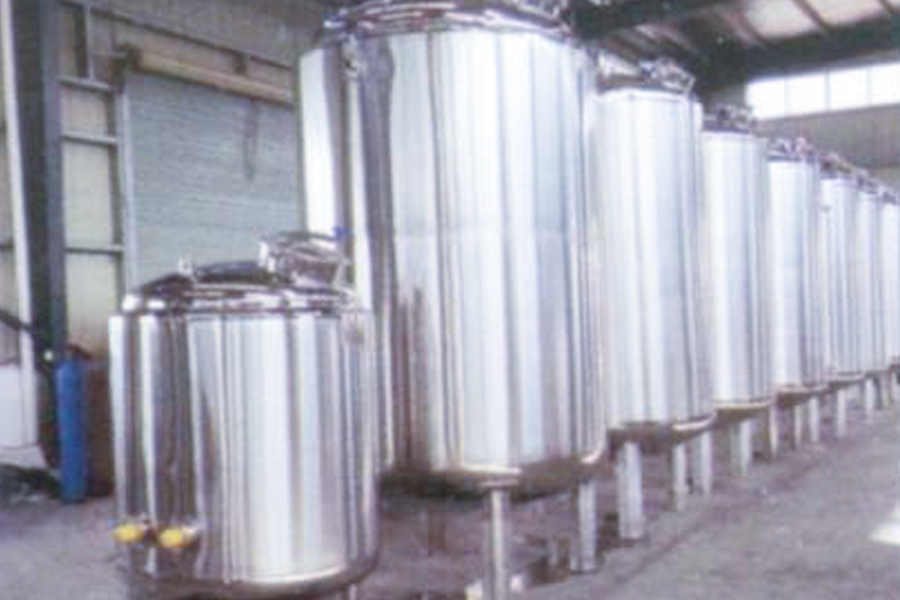
The production of a wide array of substances, from pharmaceuticals and botanical compounds to food ingredients and industrial chemicals, often relies on a critical step: isolating specific components from complex raw materials. Central to this foundational process is the equipment known as an Extraction Tank. This type of contained vessel provides the essential environment for a controlled interaction between a solid or liquid feedstock and a chosen solvent. The primary goal within an Extraction Tank is to facilitate the dissolution of target substances into the solvent, effectively separating them from the bulk of unwanted material, thereby initiating the creation of refined extracts and purified products.
The operation of an Extraction Tank is guided by established principles of mass transfer, yet achieving ideal results demands precise engineering. The vessel functions as the space where raw material is thoroughly combined with a solvent—options range from water and ethanol to supercritical CO2. Key parameters inside the Extraction Tank, including temperature, pressure, and the degree of agitation, are carefully regulated to enhance the solubility and transfer of the desired compounds. Following a determined contact period, the solvent, now enriched with extracted components, is separated from the remaining solid residue. This loaded solvent then proceeds to downstream processes for solvent recovery and product concentration. The physical design of the Extraction Tank, encompassing its size, construction materials, and internal configurations, is specifically adapted to the chemistry and required scale of the operation.
Diverse industries utilize Extraction Tank technology for distinct objectives. Within the food and beverage sector, Extraction Tank systems are instrumental in producing coffee extracts, tea essences, natural flavors, and colors. The pharmaceutical industry depends on these vessels for obtaining active ingredients from plant sources. On a larger industrial scale, Extraction Tank setups are employed in mining for the hydrometallurgical leaching of metals from ore. The growth of markets centered on botanicals and cannabinoids has further spurred demand for specialized Extraction Tank solutions that prioritize purity, yield, and regulatory compliance. Each application imposes unique requirements on the tank's material compatibility, safety protocols, and operational controls.
The effectiveness of an Extraction Tank directly impacts the overall yield, quality, and cost-effectiveness of the separation process. Critical performance aspects include achieving uniform contact between the solvent and feedstock, maintaining stable process conditions throughout the cycle, and ensuring a clean separation of the spent material from the valuable solvent mixture. Contemporary Extraction Tank designs frequently incorporate features such as heating or cooling jackets, mechanical agitators or pump-around systems, and integrated filtration mechanisms. The selection of construction material, lots of commonly high-grade stainless steel for its cleanliness and resistance to corrosion, is paramount, especially in sectors with strict hygiene or purity standards.
The future development of Extraction Tank systems is oriented toward enhancing process precision, operational sustainability, and integration with broader production workflows. A notable trend is the advancement of continuous or semi-continuous Extraction Tank designs, which can offer improvements in throughput and product consistency over traditional batch methods. The integration of sophisticated sensors and automated control systems allows for real-time monitoring and fine-tuning of critical parameters. As global industries persistently seek more efficient and selective methods for purifying valuable substances, the role of the Extraction Tank as a fundamental unit operation remains firmly established. Its continued refinement is a testament to the ongoing effort to optimize the initial, crucial stage of transforming raw materials into the specialized products that underpin various modern sectors.






 English
 عربى
عربى
