-
 [email protected]
-
 +86-13706666922
[email protected]
+86-13706666922

Chemical reaction kettle serves as essential equipment in many manufacturing operations where controlled chemical reactions take place. These vessels hold reactants under specific conditions of temperature, pressure, and mixing to produce desired compounds. Industries rely on chemical reaction kettle units to support consistent output in batch or continuous production flows across multiple sectors.
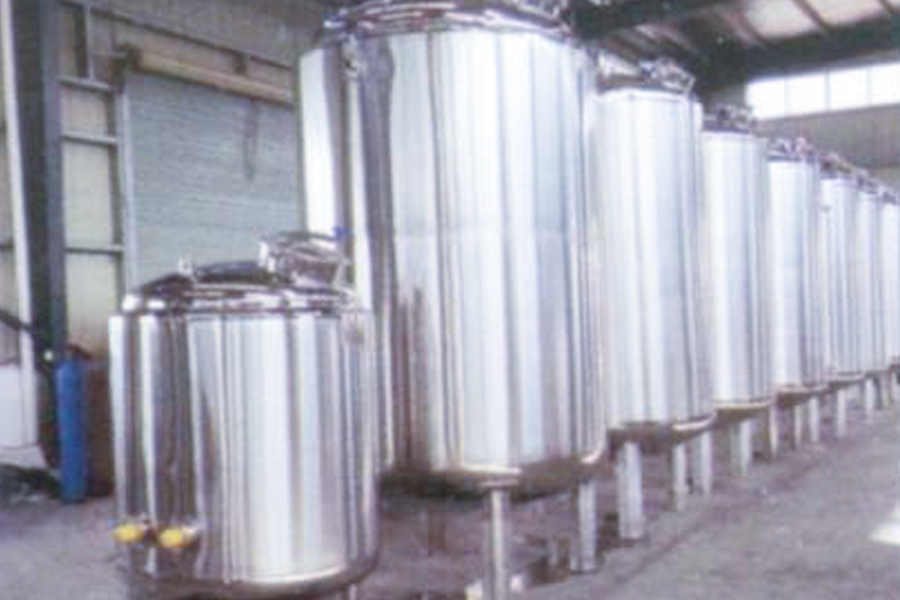
A chemical reaction kettle is built around a cylindrical body, but the details packed into that structure are what actually make it work. Jackets or internal coils wrapped around or inside the vessel handle heating and cooling — switching between the two as the reaction demands. Inside, an agitator keeps materials moving, distributing heat and reactants evenly so the chemistry happens consistently through the whole batch rather than just near the walls or the surface.
Ports positioned at different points on the vessel give operators access to the process without breaking containment — ingredients go in, samples come out, and finished product discharges through dedicated openings sized and placed for the specific process. Sight glasses let operators check what's happening inside visually, while instrumentation connections feed temperature, pressure, and other process data to monitoring systems in real time.
Producers select construction materials for chemical reaction kettle based on the chemicals involved and operating parameters. Stainless steel grades offer corrosion resistance and ease of cleaning for a range of applications. Other options include glass-lined steel for handling aggressive acids or specialized alloys for high-temperature processes. The choice of material helps maintain vessel integrity through repeated reaction cycles. Internal surfaces receive finishes that reduce buildup and support efficient heat transfer during operation.
Chemical reaction kettle units appear in pharmaceutical production for synthesizing active ingredients under controlled conditions. In the polymer industry, they facilitate polymerization reactions that form plastics and resins used in everyday products. Food processing operations employ chemical reaction kettle for certain extraction or modification steps in ingredient preparation. Chemical manufacturers use them to produce intermediates for dyes, fertilizers, and coatings. The versatility of chemical reaction kettle supports their integration into facilities handling both specialty and large-volume outputs.
During use, operators charge the chemical reaction kettle with raw materials and set parameters for temperature and agitation speed. Heating systems raise the mixture to the required reaction level while cooling circuits remove excess heat to prevent runaway conditions. Sensors track pressure and level changes throughout the batch. After the reaction reaches completion, the contents move to separation or purification stages. This sequence allows precise management of reaction time and yield in each cycle. Automated controls on modern chemical reaction kettle help maintain repeatability across production runs.
Chemical reaction kettle equipment fits into broader process lines where multiple vessels operate in sequence or parallel. Upstream feeding systems deliver precise quantities of reactants while downstream transfer pumps move products to storage or further processing. Scale-up from laboratory to production size chemical reaction kettle involves adjustments in geometry and mixing characteristics to preserve reaction behavior. Facilities arrange these units in dedicated reaction areas equipped with necessary utilities and safety features for ongoing operations.
The chemical reaction kettle continues to support a wide array of chemical processing activities through its adaptable design and operational capabilities. Its presence in manufacturing settings contributes to the steady production of materials used in numerous consumer and industrial goods.







 English
 عربى
عربى
