-
 [email protected]
-
 +86-13706666922
[email protected]
+86-13706666922

In many manufacturing industries, liquid processing involves more than combining different ingredients. Materials may need to be blended, heated, diluted, or transferred into another production stage while maintaining a controlled flow. Equipment that integrates these operations can help simplify production layouts and reduce the need for separate processing units. A Dispensing Mixing Tank is developed for this purpose, combining a mixing vessel with a system for discharging or delivering processed materials.
The internal configuration of a mixing tank depends on the materials being processed and the production requirements. Several components are commonly included.
Some configurations also include a heating or cooling jacket, temperature sensors, liquid-level indicators, and variable-speed drives. These components can be selected according to the production process rather than included in every standard model.
Different materials require different mixing approaches. Liquid products with relatively low viscosity may be processed using a conventional propeller or paddle agitator. These structures generate circulation within the tank and help distribute ingredients.
For thicker materials, an anchor agitator may be more suitable because its shape allows it to move material along the vessel walls. High-speed dispersing systems are used in applications where powders, pigments, or other ingredients need to be distributed into a liquid.
Tank geometry also influences mixing behavior. Cylindrical vessels are widely used in industrial processing, while the bottom shape and internal arrangement can be adjusted according to the discharge method and material characteristics.
When configuring a Dispensing Mixing Tank, manufacturers generally consider viscosity, batch capacity, ingredient characteristics, and the required mixing process.
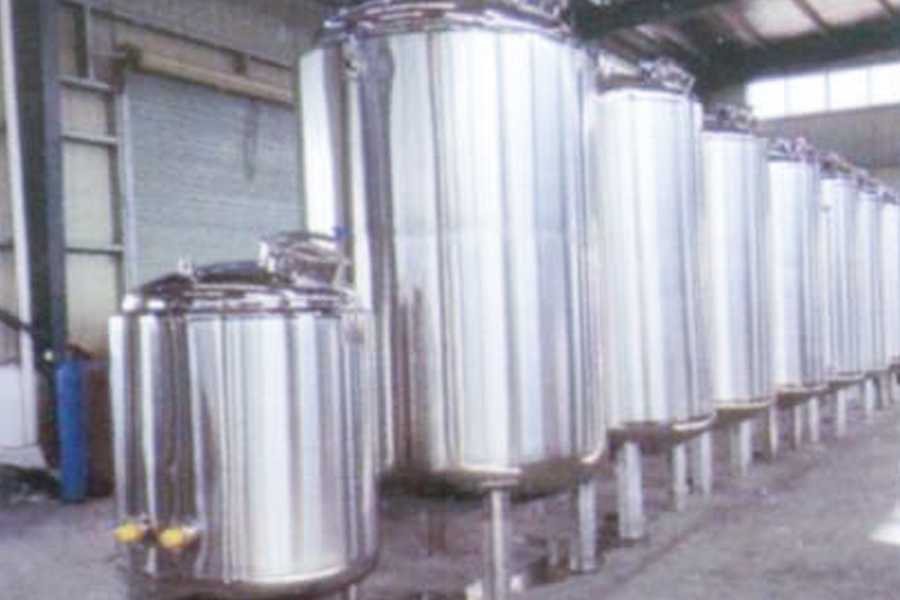
Material selection is closely related to the type of product being processed. Stainless steel is commonly used for industrial mixing equipment because it offers a suitable combination of structural strength, corrosion resistance, and fabrication flexibility.
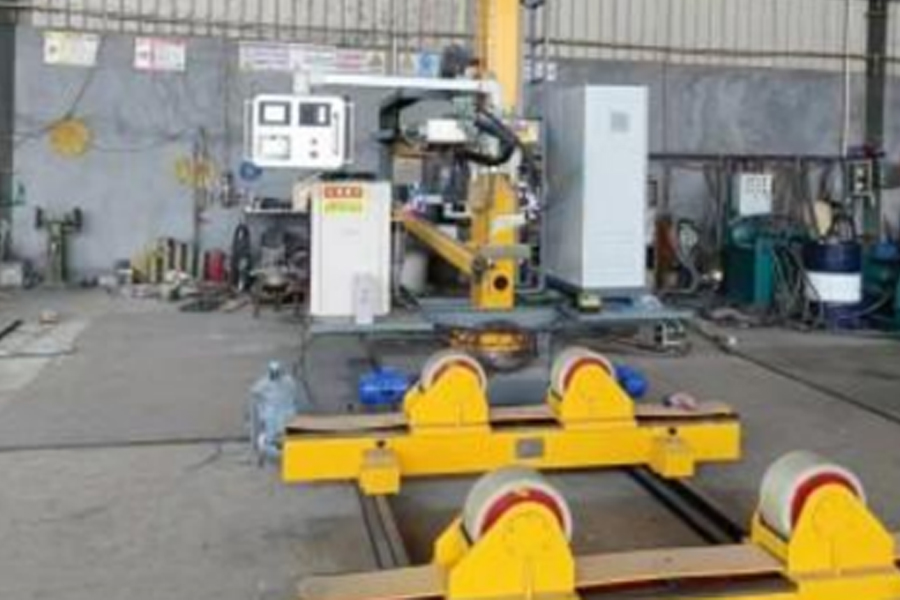
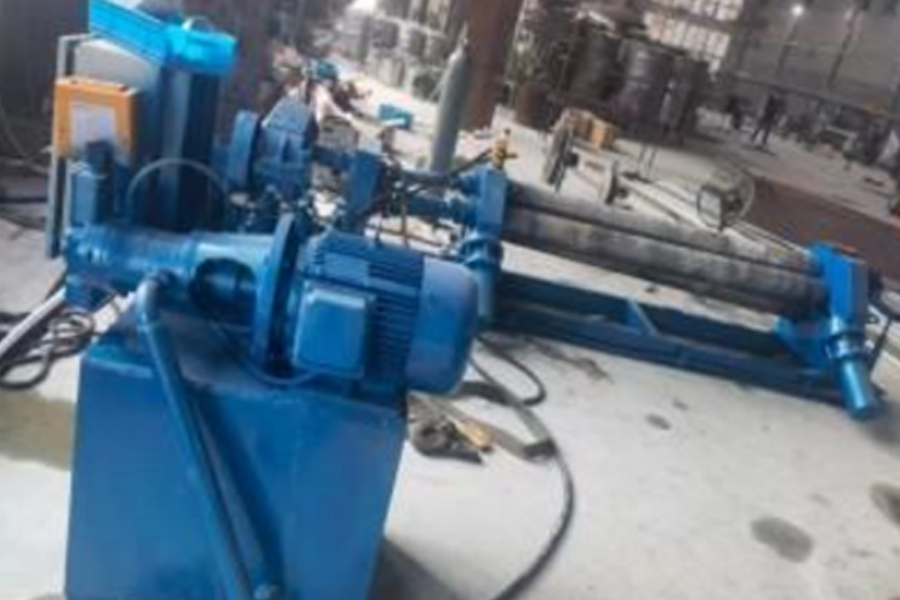
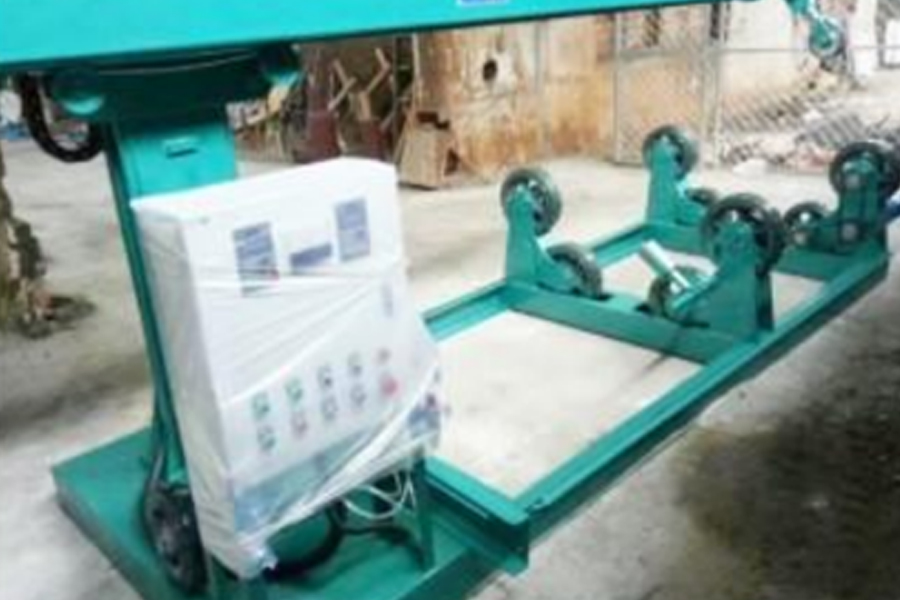
The tank body may be manufactured through sheet cutting, rolling, welding, and machining. Internal surfaces can be finished according to the processing requirements, while external structures accommodate motors, support frames, pipelines, and control components.
Tank capacity also varies between production environments. Smaller units may serve laboratory or pilot-scale operations, while larger vessels are used in batch production and industrial processing lines.
The structure of a Dispensing Mixing Tank can be adapted through different inlet positions, outlet arrangements, agitator designs, and vessel dimensions.
Integrated mixing and dispensing equipment is used in several manufacturing sectors.
A Dispensing Mixing Tank can be incorporated into standalone production areas or connected to pipelines, filling machines, and other processing equipment.







 English
 عربى
