-
 [email protected]
-
 +86-13706666922
[email protected]
+86-13706666922

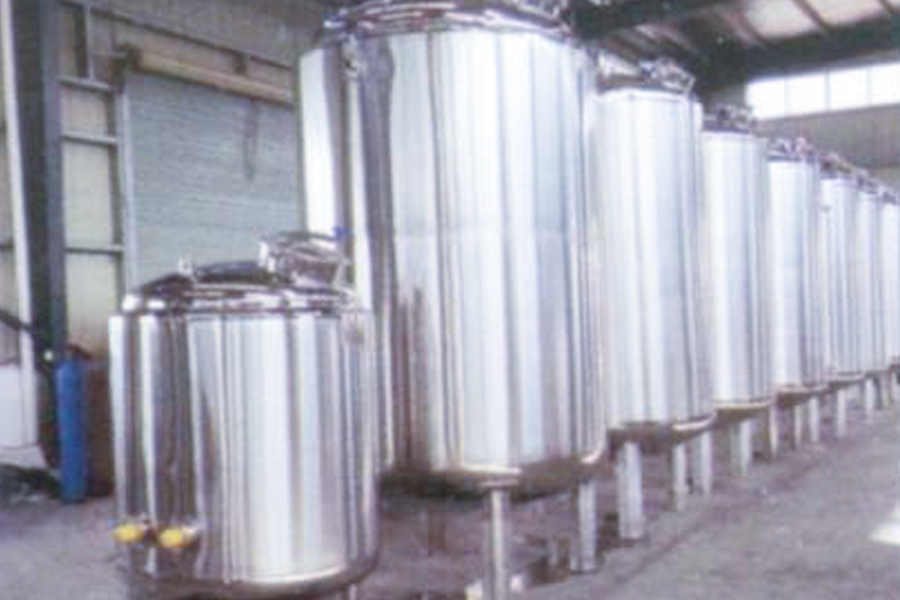
The chemical reaction kettle has become a fundamental vessel in pharmaceutical, petrochemical, and specialty chemical manufacturing facilities. Unlike simple storage tanks, a chemical reaction kettle provides controlled environments for mixing, heating, cooling, and pressure management during chemical transformations. Process engineers have specified the chemical reaction kettle for polymerization, esterification, hydrogenation, and crystallization reactions. The ability to control temperature, pressure, and agitation within a chemical reaction kettle determines final product quality and yield. Equipment suppliers continue to manufacture chemical reaction kettle units in various materials and configurations.
Material selection for a chemical reaction kettle depends on the corrosiveness of the process chemicals. A stainless steel chemical reaction kettle resists attack from many organic compounds and mild acids. A 316L stainless steel chemical reaction kettle offers improved corrosion resistance for chloride-containing processes. A glass-lined chemical reaction kettle provides an inert surface for handling hydrochloric acid or other aggressive media. A hastelloy or titanium chemical reaction kettle suits highly corrosive environments such as bromine or wet chlorine service. The material of construction for a chemical reaction kettle affects both initial cost and expected service life.
Agitation systems within a chemical reaction kettle influence heat transfer and mass transfer rates. A turbine agitator on a chemical reaction kettle creates radial flow patterns suitable for gas dispersion. A propeller agitator on a chemical reaction kettle generates axial flow for solid suspension. A anchor agitator on a chemical reaction kettle scrapes viscous materials from the vessel walls. A magnetic drive coupling on a chemical reaction kettle eliminates shaft seals for hazardous or sterile processes. The agitator speed of a chemical reaction kettle is adjustable through variable frequency drives.
Temperature control of a chemical reaction kettle affects reaction rates and product selectivity. A jacketed chemical reaction kettle circulates heating or cooling fluid through the outer vessel wall. An internal coil within a chemical reaction kettle provides additional heat transfer surface area. A dimpled jacket on a chemical reaction kettle improves heat transfer compared to conventional jacket designs. The heating medium for a chemical reaction kettle includes steam, hot oil, or electric resistance elements. A chemical reaction kettle with rapid temperature response allows tight control of exothermic reactions.
Pressure rating of a chemical reaction kettle determines what reactions the vessel can safely contain. An atmospheric chemical reaction kettle operates with a vent to maintain ambient pressure. A low-pressure chemical reaction kettle rated for 50 to 100 psi suits many organic synthesis applications. A high-pressure chemical reaction kettle rated for 500 psi or more handles hydrogenation or other gas-consuming reactions. The pressure relief system on a chemical reaction kettle must prevent vessel over-pressurization. A rupture disc on a chemical reaction kettle provides overpressure protection when safety valves are insufficient.
Instrumentation on a chemical reaction kettle includes temperature, pressure, and pH sensors. A thermowell in the chemical reaction kettle protects the temperature probe from contact with reactive mixtures. A pressure gauge on the chemical reaction kettle displays vessel pressure for operator monitoring. A pH probe installed in the chemical reaction kettle allows feedback control of acid or base additions. A sight glass on the chemical reaction kettle permits visual observation of mixing and phase changes. The instrument ports on a chemical reaction kettle use sanitary or threaded connections depending on application.
The chemical reaction kettle will likely continue as a core vessel for batch chemical processing. Advances in automation may add recipe control and data logging to chemical reaction kettle systems. For process engineers seeking reliable reaction vessels, the chemical reaction kettle offers a proven solution.








 English
 عربى
عربى
