-
 [email protected]
-
 +86-13706666922
[email protected]
+86-13706666922

Red wine production involves a series of carefully coordinated steps, from grape preparation and crushing to fermentation and wine transfer. During this process, the fermentation vessel plays an important role in controlling how grape juice, skins, seeds, and yeast interact. A Red Wine Fermentation Tank is specifically designed to accommodate these materials while providing suitable conditions for alcoholic fermentation and color extraction.
Unlike white wine production, red wine fermentation generally takes place with grape skins and seeds remaining in contact with the juice. This contact allows pigments, tannins, and aromatic compounds to move from the solid grape materials into the liquid.
As fermentation progresses, carbon dioxide pushes grape skins toward the surface, forming a floating layer commonly known as the cap. Managing this layer is an important part of red wine processing because it influences extraction and the distribution of materials inside the vessel.
A Red Wine Fermentation Tank is therefore designed with sufficient internal space and suitable access for cap management. Depending on the production method, the tank may include manual access points, mechanical mixing devices, or automatic pumping-over connections.
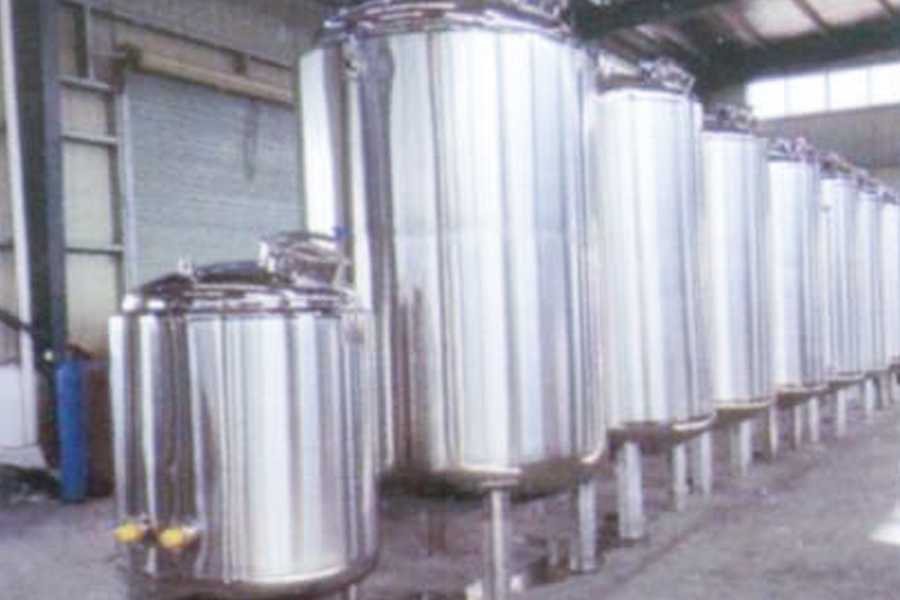
Stainless steel is widely used in commercial winery equipment because of its structural strength, corrosion resistance, and suitability for fabricating vessels with different capacities.
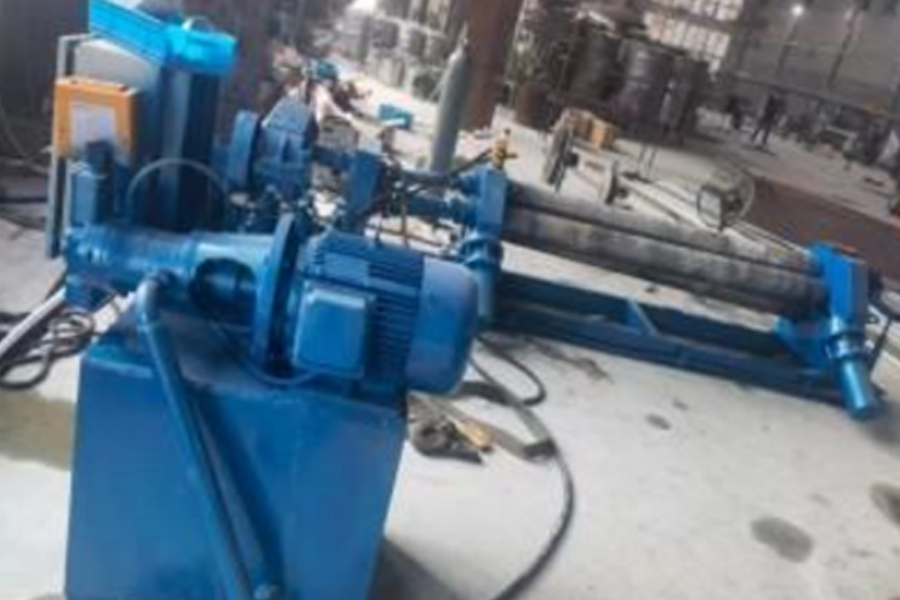
The tank body is generally manufactured through sheet cutting, rolling, welding, and forming processes. Its cylindrical structure provides space for fermentation, while the bottom design can be adjusted to support wine discharge and solid material removal.
Several structural components may be included:
The arrangement of these components depends on tank capacity, winery layout, and the selected fermentation method.
Temperature influences yeast activity and the development of wine characteristics. During red wine fermentation, temperature conditions affect fermentation speed, aroma development, and the extraction of color and tannins.
For this reason, many commercial tanks are equipped with cooling jackets installed around selected sections of the vessel. A temperature control system circulates cooling fluid through the jacket to regulate heat transfer.
Different tank configurations may use single-zone or multi-zone cooling arrangements. Multi-zone designs allow temperature regulation across separate vessel sections, which can be useful for larger fermentation batches.
When selecting a Red Wine Fermentation Tank, winery equipment buyers should understand the relationship between vessel capacity, cooling area, temperature control requirements, and the intended fermentation process.
Winery production requirements vary according to grape varieties, batch sizes, and fermentation methods. As a result, fermentation tanks are available in different shapes and capacities.
Open-top tanks provide convenient access for cap management and are commonly associated with certain traditional fermentation processes. Closed-top vessels offer a more enclosed structure and can be integrated with additional process connections.
Conical-bottom tanks provide a different approach to liquid discharge and solid material collection. Cylindrical tanks remain widely used because their structure can accommodate different cooling and mixing configurations.
A Red Wine Fermentation Tank may also be customized with different manway positions, outlet arrangements, cooling jackets, and internal components to suit individual winery layouts.








 English
 عربى
