-
 [email protected]
-
 +86-13706666922
[email protected]
+86-13706666922

Beer fermentation tanks play a central part in the production of beer. These vessels hold wort during the conversion of sugars into alcohol and carbon dioxide. Brewers rely on them to manage temperature and monitor progress throughout the fermentation stages.
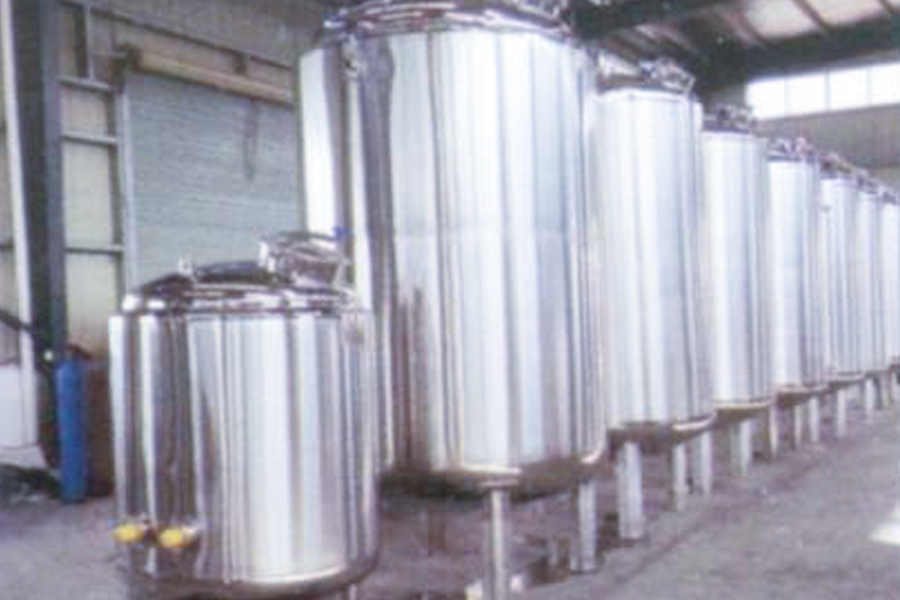
Beer fermentation tanks come in a few different shapes, and the choice between them isn't just aesthetic. Cylindrical tanks are common and straightforward, but conical designs have become the go-to for most brewing operations because the tapered bottom makes yeast collection and sediment removal genuinely easier — you open a valve at the cone tip rather than disturbing the whole batch. Most tanks also have a jacket built into the outer wall, which circulates glycol or cold water to hold the vessel at a target temperature. That temperature control matters more than casual observers might expect.
The fittings and ports on a fermentation tank are where a lot of the day-to-day brewing work actually happens. Sampling ports let brewers pull small volumes for testing without cracking the vessel open and exposing the batch to oxygen or contamination. Pressure relief valves handle CO2 buildup during active fermentation, which can be surprisingly aggressive in the early stages. Transfer valves move finished beer to conditioning tanks or bright beer vessels once fermentation is complete. Sight glasses are a small but useful addition — being able to visually check liquid level, clarity, or krausen height without opening anything saves time and reduces handling risk.
Stainless steel serves as a frequent choice for beer fermentation tanks due to its durability and cleanability. The material resists corrosion from acidic beer environments and supports sanitary conditions. Other options include plastic or glass for smaller scale or home setups, each offering different handling characteristics.
Welded seams and polished interiors reduce areas where residues might collect. Tank walls provide insulation in some models, assisting with consistent internal temperatures during the fermentation period.
After boiling and cooling, wort moves into beer fermentation tanks for the addition of yeast. Primary fermentation typically occupies several days, during which yeast activity produces alcohol and flavors. Brewers adjust temperatures to suit specific beer styles, such as ales or lagers.
Secondary fermentation or conditioning may occur in the same tank or after transfer to another. The vessels allow for dry hopping or other additions at appropriate times. Pressure management helps control carbonation levels in certain tank configurations.
Smaller beer fermentation tanks support homebrewers and small test batches. These units fit in limited spaces and allow experimentation with recipes. Medium sizes appear in brewpubs where production meets on-site demand.
Larger tanks operate in regional breweries, handling hundreds of liters per batch. The choice of scale matches production goals and available facility space. Modular systems permit expansion as operations grow.
Beer fermentation tanks connect with other brewing components such as mash tuns, kettles, and bright tanks. Pumps and hoses facilitate transfers between stages. Control panels in modern setups monitor temperature and pressure data from multiple tanks at once.
Brewing teams coordinate tank usage to maintain workflow across batches. Cleaning stations and dedicated lines support rotation of vessels between uses. This arrangement keeps production moving efficiently in both small and larger facilities.
Beer fermentation tanks form a key element in turning ingredients into finished beer. Their design and operation influence consistency across batches. Brewers select and arrange tanks according to the styles they produce and the volume required. From small craft operations to established producers, these vessels support the steps that develop beer character and quality.








 English
 عربى
عربى
